
The Atom and The Void
On ancient ideas of nothingness
The first principles of the universe are atoms and empty space; everything else is merely thought to exist.
- Diogenes Laertius on Democritus
Ours is not an empty world.
Artists sometimes speak of horror vacui, the idea that nature abhors a vacuum. Humans certainly do. Emptiness – the blank canvas, the empty page, the silent room – is somehow disturbing, unsettling, something we seek to fill with colour, with words, with sound. The empty moment is filled with idle activity; the blank sheet is covered in scribbles and doodles.
For Aristotle, this basic instinct reflected a deeper truth of reality. Nature abhors a vacuum. Create a void, he said, and the fullness of the world immediately rushes in. Emptiness cannot last; it cannot even really exist, he wrote, and the very concept of it was almost absurd. The so-called vacuum, he once joked, was itself a vacuous idea.
And yet it somehow wasn’t. Aristotle’s writings on the void have long rung hollow. Something seems off in his dismissal, in his reluctance to consider the possibility of nothingness. The root of this aversion has always been mysterious: some think it was religious in nature, or based on a conviction about natural perfection, or even just down to a dislike, common to us all, of the idea of pure emptiness.
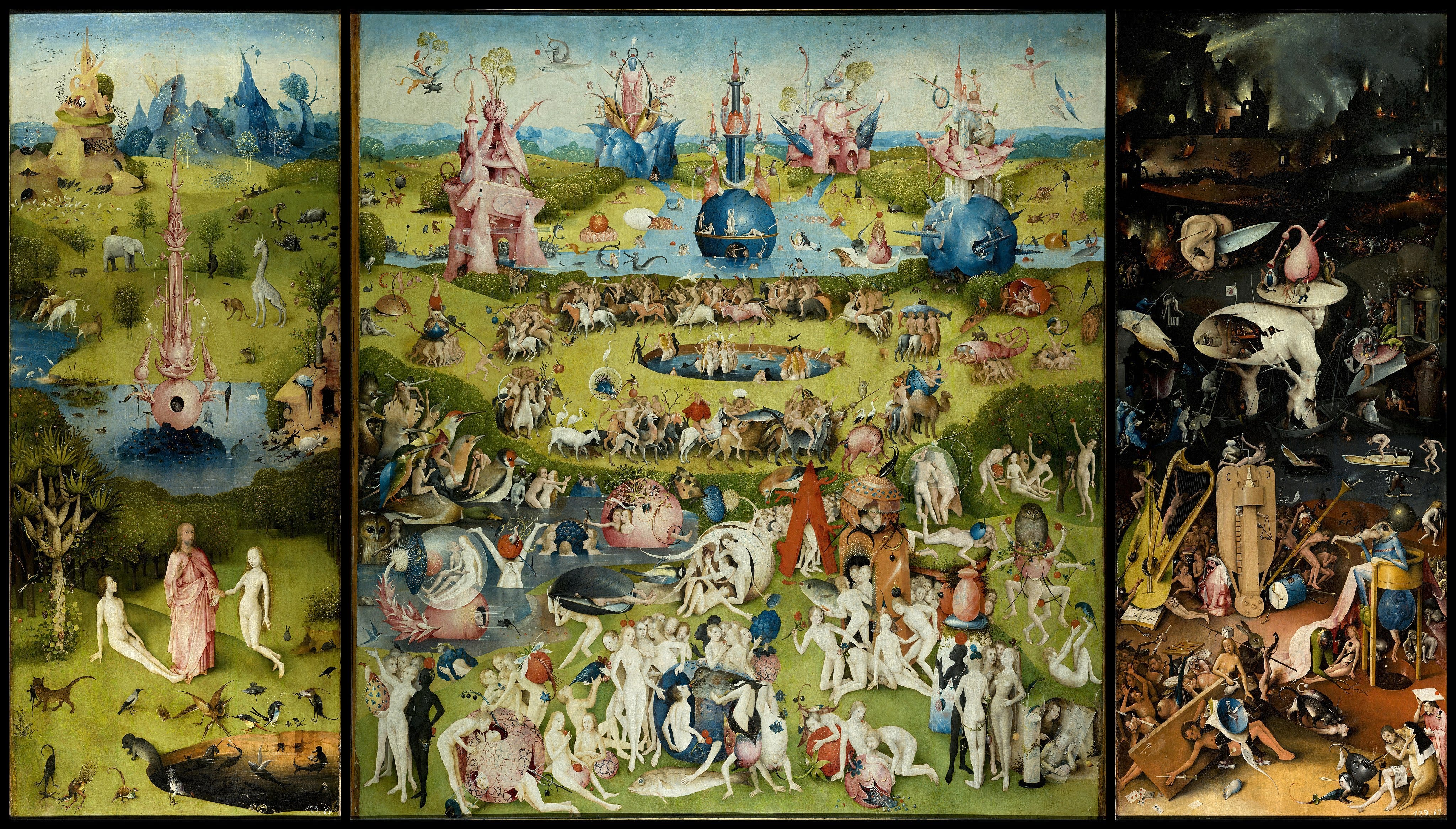
In the centuries before Aristotle, a lively debate had raged over the nature of nothingness. Some had found it a hard thing, almost an impossible thing, to talk about: Parmenides, writing about two hundred years earlier, had argued that since nothingness was by definition nothing, there was nothing at all you could say about it.
But there was, Leucippus and Democritus argued, a sense in which ‘nothing’ must exist. It was only through empty space, through the void, that things could move. Deny the possibility of emptiness, they said, and you deny the reality of motion and change – an idea that Zeno explored with great effect in his series of famous paradoxes.
The world they described was one filled with atomos, the unchanging and indivisible components of matter. It was these atoms that moved through the void, and that by rearranging themselves, allowed for change to occur. The necessity of the void was simple: for an atom to move, it had to both leave an empty space behind it and find an empty space to move into.
Far from finding the void abhorrent, their description made it essential. With no voids, change would become impossible. Without the atomos, the world would effectively be a blank sheet. Together, the void and the atom were thus responsible for all the fullness of existence: all the colours, all the smells, all the sounds, all the messy detail that makes up reality.
Nature, a fragment of Democritus tells us, was “by convention sweet, by convention bitter, by convention hot, by convention cold, by convention colour: but in reality atoms and the void.”